I Came I Saw I Made It Awkward SVG Review for Real Projects
As an experienced embroidery designer and product reviewer, I often find myself evaluating digital designs based on their potential to perform in real-world applications. The I Came I Saw I Made It Awkward SVG caught my eye not just because of the clever quote, but also due to its adaptability as a machine embroidery design. Let’s break down what this design brings to the table and where it shines—or needs careful handling.
First Impressions: Mood and Design Aesthetic
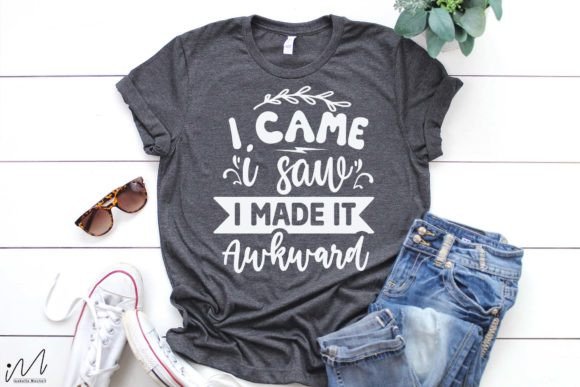
The phrase “I came, I saw, I made it awkward” is both humorous and relatable. As an applique design or embroidered graphic, it has a casual, conversational vibe that works well with handmade products and personalized gifts. The layout is straightforward—text-based with some subtle stylization that adds character without being overly complex.
Visually, it feels like something you’d see on a custom sweatshirt at a college dorm party or stitched onto a tote bag for a boutique. The shape is clean enough to allow for easy resizing while maintaining readability. The detail level is moderate; there are no intricate borders or tiny illustrations that might disappear after stitching. Instead, the focus is on the message itself, making it perfect for those who want to add personality without overwhelming the fabric.
Custom Apparel and Tote Bags
This design fits naturally into custom apparel projects. On a cotton sweatshirt or a linen tote bag, it can make a bold statement when paired with contrasting thread colors. Its simplicity allows for flexibility in placement—centered, off-kilter, or even split across two panels for a more dynamic look.
If you're planning to use it on a tote bag design, consider how much space the text will occupy. Since the phrase is relatively long, you may need to adjust the font size or spacing to ensure it doesn’t feel cramped. For a more modern appeal, try using a sans-serif typeface with tight satin stitches.
Baby Clothes and Holiday Gifts
While the humor might be too adult for baby embroidery, the design could still work in a toned-down version for older kids or as part of a larger holiday embroidery project. Imagine a Christmas pillow cover with the phrase subtly altered to “I came, I saw, I made it cozy”—a fun twist that keeps the original charm while fitting a seasonal theme.
For holiday embroidery, the design’s boldness makes it stand out against festive backgrounds. But if you're working with soft pastels or dark fabric, it’s crucial to test thread color contrast before finalizing any handmade product. Darker threads might blend in rather than pop, especially if you’re going for a professional finish.
Patches, Aprons, and Caps
Embroidered patches are a great fit for this design, particularly if they’re meant for resale in a craft business or Etsy listing. The SVG format makes it easy to export and digitize for patch machines, which typically require precise shapes and minimal fill stitch areas. However, if the design includes dense stitch regions, you’ll need to review the stitch density carefully to avoid puckering.
On curved surfaces like caps or hats, the design’s linear structure can present challenges. You’ll need to account for the curvature of the surface by adjusting the file accordingly. If you’re using a cap-specific embroidery machine, check whether the software supports scaling or reshaping the design for a better fit.
Small Hoop Sizes and Thin Fabrics
Though versatile, the I Came I Saw I Made It Awkward SVG isn’t ideal for small hoop sizes. The length of the text means it won’t fit neatly into anything less than 6x8 inches unless you significantly reduce the font size. And if you do that, you risk losing legibility and visual impact after stitching.
Thin fabrics such as rayon or stretchy materials like spandex blends can also pose issues. Without proper stabilizer, the design may distort during the sewing process, especially if it uses running stitch or fill stitch techniques. Always test the design on scrap fabric first, and inspect the results under different lighting conditions to ensure clarity.
Dark Backgrounds and Textured Surfaces
Textured fabrics like flannel or canvas can soften the look of the design. While this might be desirable for a rustic aesthetic, it can also make the embroidered letters appear less crisp. Similarly, dark fabric backgrounds may dull the vibrancy of the thread colors unless you choose light or metallic shades.
When considering commercial embroidery for items like aprons or kitchen towels, keep in mind that frequent washing can cause fading or loosening of stitches. Opt for durable thread types and ensure your stitch count per inch is sufficient to maintain integrity over time.
Visual Appeal and Branding Potential
The I Came I Saw I Made It Awkward SVG has a strong visual identity. Its bold message and simple layout create a sense of confidence and individuality—qualities that resonate well with customers looking for unique sweatshirt embroidery or tote bag graphics.
Used thoughtfully, this design can enhance the perceived value of your handmade product. It gives off a slightly edgy, self-aware energy that appeals to millennials and Gen Z audiences. That said, it’s important to match the tone of the design with your brand voice. If your shop sells elegant or minimalist pieces, this one might not align well with your overall aesthetic.
For Etsy sellers and small shop product creators, this design can serve as a conversation starter. Whether used as part of a printable mockup or directly on a finished item, it adds a layer of buyer engagement by encouraging people to relate to the sentiment behind the words.
Design Notes for Embroidery Professionals
- Test on Scrap Fabric: Before committing to a client project or batch of handmade products, always run a sample to evaluate how the design behaves with your machine and materials.
- Check Thread Color Contrast: Especially on dark or textured fabrics, high-contrast thread colors like white, red, or gold can make a big difference in visibility and professionalism.
- Review Stitch Density: Dense areas might need thinning or reworking depending on the fabric type and intended use. This helps prevent distortion and improves durability.
- Confirm Hoop Size: Ensure your hoop can accommodate the full design at the desired scale. Don’t forget to leave room for seam allowances or additional embellishments.
- Inspect Small Details: Even though the design is primarily text-based, subtle elements like punctuation or spacing can affect the final appearance. Make sure everything looks intentional.
- Use Proper Stabilizer: Especially for lightweight or stretchy materials, stabilizer is essential. Test different types (cutaway, tearaway, washaway) to find the best match for your project.
- Consider Black and White Mockups: If you're selling digital embroidery files or creating printable mockups for online listings, testing the design in grayscale can help you visualize how it’ll show up under different lighting and on various fabric colors.
- License Check: If you plan to sell finished products or digital embroidery assets, confirm the licensing terms of the SVG. Some files are strictly for personal use, so don’t assume you can resell them without permission.
Final Thoughts for Crafters and Business Owners
In the world of crafts and graphics, a good design is one that adapts to multiple contexts without losing its essence. The I Came I Saw I Made It Awkward SVG does exactly that. It’s not a flashy, highly detailed embroidery file, but that’s precisely what makes it functional and expressive.
Whether you’re creating personalized gifts, branding a small shop product, or preparing digital embroidery files for resale, this design offers a solid foundation. Just remember to tailor it to your specific project needs—adjust the sizing, test the fabric compatibility, and always prioritize stitch quality over speed.
So, if you're an embroidery designer, hobbyist, or creative entrepreneur looking for a fresh take on a classic phrase, give this design a try—but don’t skip the test run. Your attention to detail will set your finished product apart and build customer trust in your craft business.