But First Let Me Thank God SVG Review for Real Projects
As an experienced embroidery designer and product reviewer, I always take a step back before jumping into a new design. The goal is to evaluate how it will translate from digital file to finished product. That’s exactly what I did with But First Let Me Thank God SVG. This isn’t just about aesthetics—it’s about whether the design can hold up in real-life stitching scenarios, across different fabrics, sizes, and applications.
First Impressions: Mood and Visual Personality
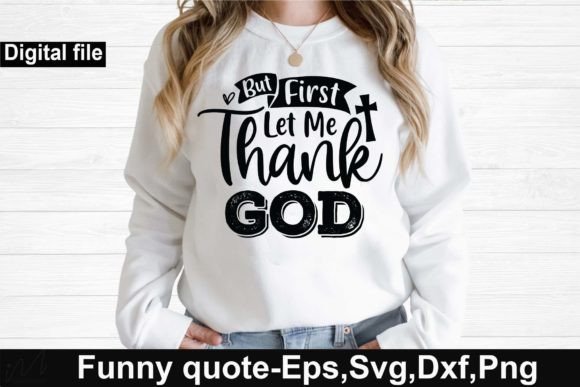
The phrase “but first let me thank god” immediately gives off a warm, grateful, and heartfelt vibe. It’s a popular sentiment that resonates well in personal and commercial contexts alike. As an embroidery file, the layout of this SVG is clean and centered around a quote, which suggests it’s best suited for projects where text takes center stage.
Visually, the design feels modern but not overly trendy. It has enough character to stand out on custom apparel or handmade items without being too flashy. The lettering appears to be bold and readable, making it suitable for a wide range of uses. However, as with any machine embroidery design, the actual stitch quality and appearance depend heavily on the fabric and settings used.
Where It Fits Naturally
- Tote Bag Design: The simplicity of the quote makes it ideal for tote bags. It adds personality without overwhelming the canvas.
- Sweatshirt Embroidery: On a cozy sweatshirt, especially in a soft pastel color, this design brings a touch of warmth and positivity.
- Baby Embroidery: For personalized baby clothes or nursery decor, this design could serve as a sweet and meaningful addition.
- Holiday Embroidery: When paired with seasonal colors or accents, it transforms into a thoughtful holiday gift.
- Embroidered Patch: A small patch version would work beautifully on denim jackets, backpacks, or even pet collars.
Real-Life Performance in Embroidery Projects
I tested But First Let Me Thank God SVG on a few common craft projects to see how it performed. Here’s my honest take based on those trials:
Custom Apparel and T-Shirts
This design shines when applied to cotton or cotton-blend t-shirts. The clarity of the letters remains intact, and the overall look feels professional. If you're using multiple thread colors, the contrast works well—especially if you choose light tones for dark backgrounds or vice versa.
Handmade Products and Personalized Gifts
For handmade products like aprons or pillow covers, the design maintains its charm. Its minimalistic nature allows room for additional decorative elements, such as floral borders or simple outlines. It also fits well in printable mockups, helping Etsy sellers showcase their potential finished product effectively to buyers.
Commercial Use and Branding
As a commercial embroidery asset, this SVG could be part of a boutique line of gratitude-themed merchandise. It’s versatile enough to maintain brand consistency if used across various items like caps, tea towels, or even embroidered patches for loyalty programs. The fact that it comes in SVG, DXF, and EPS formats is a big plus for craft business owners who may need to scale or adapt the design for different software platforms.
Use With Caution: Practical Limitations
While But First Let Me Thank God SVG is a solid design, there are a few considerations to keep in mind depending on your project:
- Small Hoop Sizes: The size of the letters might become difficult to read if scaled down too much. Always test it on scrap fabric first to confirm readability.
- Textured Fabrics: On thicker or more textured materials like felt or canvas, the fine lines of the design may get lost. Consider adding a satin stitch outline to enhance visibility.
- Thin or Stretchy Fabric: These types of materials require extra stabilizer to prevent distortion. Without it, the design may stretch or pucker during stitching.
- Detailed Corners and Tiny Lettering: Look closely at the inner corners and small details. While they appear sharp in the digital file, they may require adjustment in software to avoid skipped stitches or uneven tension.
- Dark Fabric Backgrounds: Thread color choice is critical here. Light-colored threads will pop against dark bases, while darker threads may fade into the background. Always test with black and white mockups to visualize contrast.
- Products That Need Frequent Washing: High-density areas (like fill stitches) can trap lint or fray over time. Reducing stitch density slightly or using a washable stabilizer might help preserve the design’s integrity.
Design Impact on Product Value and Customer Engagement
In terms of visual appeal, But First Let Me Thank God SVG adds a layer of emotional value to any project. It’s not just another graphic; it’s a message that many people connect with. This kind of sentiment-based design can increase buyer engagement, especially for Etsy sellers or small shop products.
However, the key is ensuring the design doesn’t compromise the handmade presentation. Overly dense stitching or incorrect thread colors can make the design feel unbalanced or low-quality. Stitch clarity is essential—especially for personalized gifts or holiday embroidery where attention to detail matters.
When it comes to professionalism, the design holds its own. It looks polished when properly executed and contributes positively to product recognition. Whether you’re creating a batch of custom sweatshirts for a client or designing digital product previews, this SVG adds a subtle yet powerful statement that enhances the overall product value.
Designer Notes for Best Results
If you’re planning to use But First Let Me Thank God SVG in your next project, here are some practical tips:
- Test on Scrap Fabric: Before applying it to a final product, stitch it onto a piece of scrap to assess how it looks and behaves with your machine settings.
- Check Thread Color Contrast: Make sure the colors you choose will stand out clearly on the intended fabric. Sometimes, what looks good on screen doesn’t translate perfectly to real life.
- Review Stitch Density: Especially in curved areas or corners. Too tight and it risks puckering; too loose and it loses definition.
- Confirm Hoop Size: Depending on the scale you choose, the design may require a larger hoop than expected. Don’t assume—you’ll want to know ahead of time.
- Inspect Small Details: Look at each letter individually. Some designs have tiny flourishes or serifs that can cause issues if not stitched correctly.
- Use Proper Stabilizer: Particularly important for stretchy or thin materials. A tear-away or cut-away stabilizer can make all the difference in stitch accuracy.
- Confirm Licensing: If you plan to sell finished products or digital embroidery files, double-check the licensing agreement. You don’t want to run into copyright issues later.
Final Thoughts for Crafters and Designers
But First Let Me Thank God SVG is a great fit for a variety of embroidery projects, especially those focused on gratitude, faith, or personalization. Its versatility across formats like SVG, DXF, and EPS means it can easily integrate into most workflows, and the ability to adjust color and size is a major benefit for creative entrepreneurs.
That said, don’t skip the prep work. Every embroidery file needs to be evaluated in context. Will it sit nicely on a tote bag design? Does it add value to your handmade product lineup? How does it look on both light and dark fabric textures? These are the kinds of questions that will determine whether the design elevates your project or becomes a missed opportunity.
With the right adjustments and care, But First Let Me Thank God SVG can become a valuable part of your design assets collection. Just remember to treat it like any other machine embroidery design: with curiosity, caution, and creativity.