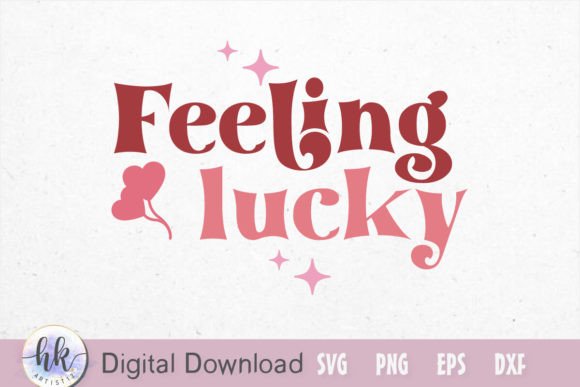
Feeling Lucky Retro SVG Review
When I sit down to evaluate a new digital asset for my embroidery studio, I am rarely interested in just the visual appeal. My primary concern is always functionality: Will this design hold up on the hoop? Does it translate well from screen to fabric? And most importantly, will the end customer feel that the handmade quality justifies the price point? Recently, I’ve been looking at the Feeling Lucky Retro SVG, a file marketed under the Crafts and Graphics categories with a distinct vintage aesthetic. After testing its potential across several different mediums—from soft baby apparel to structured tote bags—I have formed a clear opinion on where this design shines and where it might require some careful handling.
First Impressions of the Visual Personality
The immediate draw of the Feeling Lucky Retro SVG is its nostalgic mood. The typography and layout evoke a mid-century modern vibe, reminiscent of classic diner signage or vintage lottery tickets. For an embroiderer, this style is intriguing because retro designs often rely on bold shapes and clean lines, which can be very forgiving during digitization. However, "retro" can also mean intricate details that are difficult to stitch clearly, especially at smaller sizes.
Visually, the design feels balanced. It doesn’t scream for attention but rather invites a closer look. This makes it an excellent candidate for subtle branding on boutique items or personalized gifts. The transparency of the background in the provided PNG files ensures that when you place this into your digitizing software or embroidery machine interface, there are no unwanted white boxes cluttering your workspace. The 300 dpi resolution of the preview images gives a confident indication of line sharpness, suggesting that the source vector (EPS) should be clean and scalable without losing integrity.
Real-World Application: From Screen to Stitch
To truly judge an embroidery file, you have to imagine it on actual products. Here is how I see the Feeling Lucky Retro SVG performing in specific scenarios:
- Tote Bags and Canvas Goods: This is perhaps the strongest use case. A sturdy canvas tote bag provides a stable surface for stitching. The retro theme fits perfectly with the eco-friendly, artisanal vibe of tote bag culture. Whether used as a tote bag design for a craft fair or a custom gift, the design’s bold nature stands out against natural cotton or denim backgrounds.
- Sweatshirt Embroidery: Fleece-backed sweatshirts are a staple for small business owners selling holiday merchandise. The sweatshirt embroidery market loves vintage aesthetics. If placed on the chest or pocket area, the Feeling Lucky Retro SVG adds a touch of whimsy without overwhelming the garment. It works particularly well if paired with neutral thread colors like cream, mustard, or olive green.
- Baby Embroidery and Nursery Decor: There is a growing trend for gender-neutral, vintage-inspired nursery items. A onesie or a burp cloth featuring this design could be a hit for baby showers. The inspirational nature of the phrase adds emotional value, making it a strong contender for a personalized gift. However, one must be cautious with size; baby garments require delicate handling to avoid stiffening the fabric too much.
- Applique Design Potential: While the file is primarily a graphic, the shape of the text and any accompanying icons could lend itself to an applique design approach. Layering a contrasting fabric behind the letters could add texture and depth, elevating a simple machine embroidery design into a high-end boutique product.
Technical Considerations and Stitch Clarity
As a designer, I always check for potential pitfalls before committing to production. The Feeling Lucky Retro SVG comes in multiple formats, including EPS, SVG, PNG, and DXF. This versatility is great for different workflows, but it also means you need to verify the stitch path if you are using the DXF for cutting or the SVG for direct embroidery.
One critical factor is stitch density. Retro fonts can sometimes be thin, which risks skipping stitches if the density is too low. Conversely, if the design includes heavy fill areas, it might become too rigid for stretchy fabrics. I recommend inspecting the small details—especially any curves in the lettering—to ensure they won’t pucker or distort during the wash cycle. If the design relies on fine lines, consider using a higher count thread, such as 60-weight, to maintain clarity without adding bulk.
Another aspect is the hoop size. The description mentions a 6×6 inches dimension. This is a standard size, but it limits the maximum width of your project. If you plan to embroider this on a larger item, like a full-size pillow cover, you may need to split the design or use a larger hoop frame. Always confirm the exact dimensions in your digitizing software before starting.
Where to Use It Carefully
Not every surface is suitable for every design. There are specific contexts where the Feeling Lucky Retro SVG might struggle:
- Textured Fabrics: Avoid placing this on heavily textured materials like chunky knits or bouclé. The complexity of the fabric will compete with the design, making the embroidery look muddy and indistinct.
- Stretchy or Thin Fabrics: Unless you use a proper stabilizer and possibly tear-away backing, thin jersey or spandex blends may pucker around the edges of the design. The tension required to keep the fabric flat might distort the retro aesthetic.
- Curved Surfaces: Embroidering directly onto caps or curved hat panels requires precise hooping. If the design has straight horizontal lines, they may appear warped on a curved surface. Test this on a scrap piece first.
- Dense Stitch Areas: If the design includes large blocks of color, it may not breathe well on summer shirts. In these cases, consider reducing the stitch density or switching to a lighter fill pattern.
Impact on Brand and Customer Trust
For Etsy sellers and craft business owners, the perceived value of a product is often tied to the quality of the execution. A poorly stitched design can damage your reputation, while a crisp, well-placed one builds trust. The Feeling Lucky Retro SVG has the potential to enhance brand consistency if used across a cohesive collection. Imagine a matching set of a tote bag, a kitchen towel, and a cap, all featuring the same retro motif in varying thread colors. This kind of coordination signals professionalism and attention to detail.
Furthermore, the inspirational message adds a layer of emotional connection. Customers are more likely to leave positive reviews and share photos of their finished product if the item feels personal and meaningful. When creating printable mockups for your online store, ensure that the lighting highlights the texture of the thread. This helps buyers understand that they are purchasing a tangible, high-quality handmade item, not just a digital download.
Practical Designer Notes Before You Start
Before you load this file into your machine, here are a few essential steps to ensure success:
- Test on Scrap Fabric: Never skip this step. It reveals issues with puckering, tension, or color contrast that you cannot see on screen.
- Check Thread Color Contrast: Ensure the thread color pops against your chosen fabric. Light threads on dark fabric can get lost if the stitch type is too dense.
- Review Black and White Mockups: Convert your design to grayscale to check the balance of light and dark areas. This helps identify if any parts of the design are too busy or too sparse.
- Confirm Licensing: Since this is a digital embroidery file intended for crafting projects, double-check the license terms if you plan to sell finished items commercially. Some licenses restrict the number of units you can produce.
- Inspect Small Details: Zoom in on the smallest elements of the Feeling Lucky Retro SVG. If they are below 2mm, they may not stitch cleanly on most home machines.
In conclusion, the Feeling Lucky Retro SVG is a versatile and stylish addition to any designer’s library. Its vintage charm makes it suitable for a wide range of products, from casual wear to decorative home goods. By paying attention to fabric choice, stitch density, and proper stabilization, you can transform this digital asset into a stunning physical product that resonates with customers. Whether you are an experienced pro or a hobbyist maker, this design offers a solid foundation for creating memorable, handmade treasures.