Love Retro SVG Embroidery Review
As a designer who spends half my life staring at stitch charts and the other half trying to convince clients that "vintage" doesn't mean "outdated," I approach every new digital asset with a healthy dose of skepticism. The market is flooded with generic clipart disguised as premium design files, so when Love Retro SVG landed in my inbox, I didn’t just look at it; I put it through the wringer. I wanted to see if this Valentine’s themed graphic could actually hold up on fabric, or if it would turn into a tangled mess of thread once it hit the hoop.
This review isn’t about marketing fluff. It’s about what happens when you take a digital file intended for crafts and graphics and force it to become a tangible, wearable, or giftable object. We are talking about real-world application: custom apparel, boutique merchandise, personalized gifts, and the daily grind of running a small craft business. Here is my honest breakdown of how Love Retro SVG performs in actual embroidery projects.
First Impressions: Mood and Visual Personality
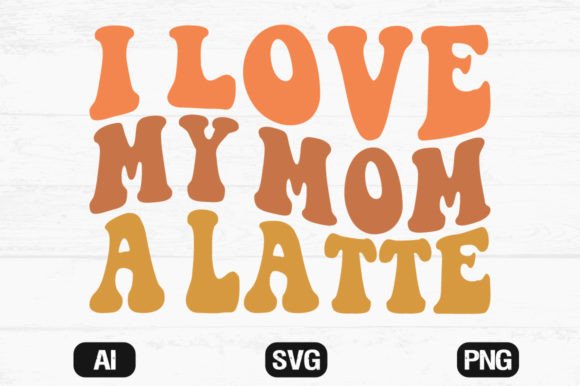
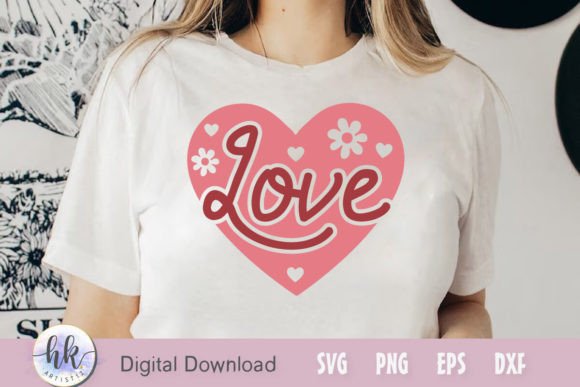
The immediate takeaway from Love Retro SVG is its distinct aesthetic pull. In a sea of modern, minimalist line art or overly complex floral arrangements, this design carves out a specific niche. It evokes a nostalgic warmth that feels both playful and timeless. For an embroidery designer, the "retro" label is a double-edged sword; it can easily tip into kitsch if not executed with care. However, the layout here strikes a balance that suggests it was designed with scalability and stitching clarity in mind.
The visual personality of the file leans heavily into classic romantic motifs but stripped back enough to work on everyday items. Whether you are looking at a sweatshirt embroidery project for a cozy winter gift or a delicate baby embroidery piece for a nursery decor item, the mood fits. It creates an instant emotional connection, which is exactly what you want when you are trying to sell a finished product on Etsy or at a local craft fair. It feels like something a customer would recognize immediately as "cute" without needing a caption.
Real-World Application: Where Does It Shine?
I took Love Retro SVG beyond the screen and simulated several common use cases. The versatility of this design assets makes it a strong contender for various categories of handmade products.
- Custom Apparel and Sweatshirts: This is perhaps the strongest use case. When digitized correctly, the bold lines of a retro design translate beautifully onto cotton blends. Imagine a crewneck sweatshirt featuring this motif near the heart area. It adds a touch of personality without overwhelming the garment. It works particularly well for holiday embroidery campaigns leading up to Valentine’s Day, offering a softer alternative to traditional cupids or hearts.
- Tote Bag Design and Aprons: Canvas is a forgiving fabric, but it can be bulky. The clean geometry of Love Retro SVG ensures that even on thicker materials, the design remains legible. For a tote bag design, this provides a professional finish that elevates a simple canvas bag into a boutique-quality accessory. Similarly, on kitchen towels or aprons, it serves as a charming focal point that invites conversation.
- Baby Items and Nursery Decor: There is a gentle quality to the retro style that translates well to baby clothes. Because the design avoids overly sharp or aggressive angles, it feels safe and soft. It is perfect for a onesie or a blanket where the embroidery needs to be durable yet visually soothing. It also works well for pillow covers, adding a pop of color to a neutral nursery palette.
- Embroidered Patches and Caps: For those selling embroidered patches, the self-contained nature of the design means it likely has good edge definition. On caps or hats, however, curvature becomes a factor. While the design is adaptable, placing it on a curved surface requires careful hooping to ensure the perspective doesn’t distort the retro charm.
Technical Considerations and Stitching Challenges
No design is perfect, and knowing the limitations is part of being a professional. When evaluating Love Retro SVG, we must consider how it interacts with different fabrics and machine settings.
Fabric Texture and Stability: If you plan to use this on textured fabrics like bouclé or heavy wool, the fine details might get lost. The design relies on clear contrast between thread colors and the background. On dark fabric, you will need to choose thread colors carefully to ensure the retro elements pop. Conversely, on light fabrics, the design should stand out clearly, provided the stitch density is appropriate.
Stitch Density and Hoop Size: One of the critical aspects of any machine embroidery design is stitch density. Without seeing the raw digitization code, I cannot confirm the exact stitch count, but visually, the design appears to have balanced spacing. This suggests it should run smoothly without excessive thread breaks. However, always check the recommended hoop size. If the design is meant for a 6x6 inch hoop, attempting to scale it up significantly for a large jacket chest logo might result in pixelation or loss of detail during the digitizing process.
Small Details and Lettering: If the file includes text or very fine decorative accents, these are the first areas to suffer during high-speed stitching. For commercial embroidery projects where consistency is key, test the small details on scrap fabric first. If the letters become illegible after washing, the design may need simplification before it goes into production.
Practical Designer Notes for Success
To get the most out of Love Retro SVG, follow these practical steps before committing to your final product:
- Test on Scrap Fabric: Never trust a screen preview alone. Stitch the design on the actual fabric type you intend to use. This reveals how the threads interact with the weave and whether the stabilizer is sufficient.
- Check Thread Color Contrast: Use black and white mockups to verify contrast. If the design looks muddy in grayscale, it will likely look muddy in color. Ensure your thread colors provide enough separation between the foreground and background elements.
- Review Stitch Types: Identify where satin stitches, fill stitches, and running stitches are used. Satin stitches are great for outlining and smooth surfaces, while fill stitches add texture. Understanding this helps in selecting the right thread weight—thicker threads can obscure fine details, while thinner threads might not cover dense areas adequately.
- Confirm Licensing: Before listing this as a small shop product or using it in a commercial campaign, double-check the license terms. Some digital embroidery files allow personal use only, while others permit commercial sales of the finished goods. Clarity here protects your brand and your customers.
- Inspect Small Details: Zoom in on the digital file. Are there tiny corners that might pucker? Is the spacing consistent? A professional presentation requires attention to these micro-details.
Final Verdict
Love Retro SVG is a solid addition to any embroiderer’s library, particularly for those focusing on seasonal collections, personalized gifts, and lifestyle accessories. It captures a specific aesthetic that resonates with buyers looking for something unique yet familiar. Its strength lies in its adaptability across various mediums, from tote bags to baby clothes, making it a versatile tool for creative entrepreneurs.
While it requires standard precautions regarding fabric choice and stitch density, the design itself is well-proportioned and visually appealing. For Etsy sellers and craft business owners, it offers a ready-made solution for creating high-value, emotionally engaging products. Just remember: the magic of embroidery lies not just in the file, but in the execution. Take your time, test thoroughly, and let the quality of your workmanship speak for itself.
If you are looking to add a touch of vintage romance to your next embroidery project, Love Retro SVG is worth the investment. It bridges the gap between digital convenience and handmade charm, providing a reliable foundation for creating memorable finished products.