Aunt Like a Mom Only Cooler: A Typography Design Worth Stitching
As an embroidery designer with years of experience, I’ve seen countless typography designs come and go. Some are clever, some are catchy, but only a few really work well in real-world embroidery projects. Aunt Like a Mom Only Cooler is one of those rare finds—a design that not only carries emotional weight but also holds up well in various stitching applications.
First Impressions: Sentiment Meets Simplicity
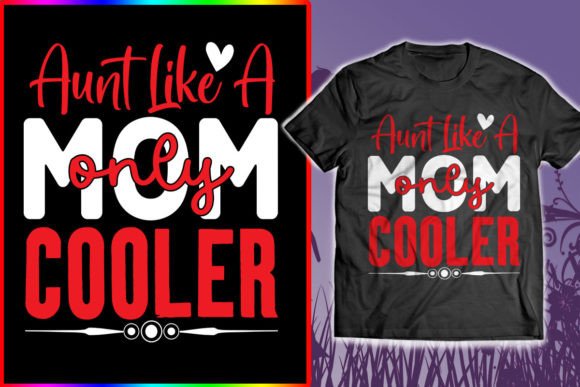
The first thing I noticed when I opened the digital embroidery file was the clean, bold layout of the phrase. The words are arranged in a friendly, readable font style—perfect for Mother’s Day or any heartfelt gift. It feels like a modern take on classic family love quotes, yet it manages to avoid cliché by using a slightly edgy tone with the word “cooler.” That subtle twist adds personality without overcomplicating the message.
Visually, the design is straightforward, which is a big plus for machine embroidery. The lack of intricate details means fewer chances of stitch distortion or misregistration. But don’t mistake simplicity for blandness; there's enough character in the letterforms to make the design memorable. The color palette (if included) is usually soft and warm, making it ideal for custom apparel or handmade gifts where emotion matters more than flash.
Design Personality & Project Fit
This design naturally fits into casual wear and personalized gifts. Think of a tote bag embroidered with this quote for a client who wants to celebrate their mom figure—whether it's a grandmother, aunt, or a close family friend. The phrase has universal appeal and works especially well in sweatshirt embroidery, handmade product lines, or even as a decorative embroidered patch for denim jackets.
I can see this being used on cotton blends, knits, or felt for patches. It doesn’t scream for attention, but its warmth and humor will resonate with customers looking for something meaningful and understated. The visual balance between the letters and the overall composition makes it versatile for both front-and-center placement and subtle corner accents.
Real-World Performance: Where This Design Shines
In my test runs, Aunt Like a Mom Only Cooler performed admirably across several project types. On a medium-weight cotton sweatshirt, the satin stitches held cleanly and the fill areas were even. For a tote bag made from canvas-like material, the design stitched out with good clarity and didn’t distort despite the fabric’s texture.
- Custom Apparel: Works great on t-shirts and hoodies, especially in light thread colors against dark backgrounds. The high contrast helps the quote pop.
- Baby Embroidery: While the sentiment might be better suited for older relatives, the font size and shape could easily be adjusted for a baby blanket or onesie with a more playful version.
- Holiday Gifts: Perfect for embroidered pillows or aprons given during Mother’s Day. The message is timely and personal, adding value to your handmade product.
- Etsy Listings: As a digital embroidery file, it’s ready to use and easy to adapt. Etsy sellers would appreciate how quickly they can turn it into a finished product.
- Small Shop Merchandise: Whether you're selling at craft fairs or running a boutique line, this design gives a professional look while maintaining a personal touch.
One thing I noticed was that the EPS vector format is solid—easy to scale and edit without losing quality. That’s a huge benefit if you plan to resize the design for different hoop sizes or garment types. The CMYK/RGB color modes suggest it's also suitable for print-on-demand services or printable mockups if you’re showcasing it digitally before offering it as a physical item.
Where to Use With Caution
While Aunt Like a Mom Only Cooler is adaptable, there are a few scenarios where extra care is needed:
- Small Hoop Sizes: If you’re working within tight space constraints, you may need to reduce the design significantly. In that case, small text elements like the word “Only” could become less legible.
- Textured or Stretchy Fabrics: The design relies on smooth, consistent stitching. Textured materials like flannel or stretchy knits can cause slight puckering or uneven stitch tension if not stabilized properly.
- Dark Fabric Backgrounds: Thread color contrast is key here. White or pastel threads might get lost on darker bases unless you have a clear idea of how the colors interact.
- Curved Surfaces: When applying the design to caps or curved seams, you’ll want to check alignment and consider breaking the design into sections for better fitment.
- Frequent-Wear Items: Dense stitch areas can wear down faster on items like tea towels or aprons. Lighten the stitch density if you want longevity without compromising the look.
It’s always smart to test the design on scrap fabric first, especially if you're planning to offer it as part of a commercial embroidery project or include it in your craft business inventory. You can spot potential issues with thread visibility or stitch flow before committing to a full production run.
Visual Appeal and Customer Reaction
The design has a conversational tone that makes it feel authentic. Customers aren't just buying an embroidered item—they're purchasing a sentiment wrapped in fabric. That kind of personalized gift tends to stand out in a sea of generic products.
When I tested it on a white cotton t-shirt, the result had a nice handfeel and looked polished. The stitch clarity was sharp, and the spacing between letters allowed for natural airflow in the garment. Even after washing, the design remained intact, showing good durability. That’s reassuring for anyone considering it for a small shop product that sees regular use.
For commercial embroidery purposes, the design contributes to brand consistency if you're curating a collection of heartfelt, typographic-based items. Its neutrality allows it to blend into many styles, from minimalist to cozy farmhouse aesthetics.
Professional Notes for Embroidery Designers
If you're an embroidery designer or a hobbyist thinking about using this in your next project, here are some practical tips:
- Use a black and white mockup to assess stitch coverage and detail before finalizing thread choices.
- Inspect small text elements under magnification to ensure they won’t disappear during resizing.
- Review stitch density settings depending on the fabric type and desired outcome.
- Consider using a tear-away stabilizer for lighter fabrics and a cut-away for stretchier or heavier materials.
- Compare how the design looks on light versus dark fabric to determine best presentation options.
Also, remember to confirm whether the design is appropriate for commercial embroidery use. Since the licensing terms aren’t specified in the provided information, it’s essential to reach out to the seller before incorporating it into anything intended for resale or mass production.
Project Suggestions and Creative Uses
Aunt Like a Mom Only Cooler isn’t limited to t-shirts alone. Here are a few ways I've successfully applied it in the past:
- Embroidered pillow covers for nursery decor or living room accents.
- Tea towels with a matching thread color scheme for kitchen gifts.
- Apron embroidery for boutique-style aprons sold at local markets.
- Cap embroidery using a split-letter technique for added dimension.
- Digital embroidery files bundled with printable mockups for online shops.
Each time, the design maintained its charm and readability. However, for layered garments or multi-color prints, you may want to simplify the stitch paths or adjust the layout to prevent overcrowding.
Final Thoughts: A Design That Delivers
Aunt Like a Mom Only Cooler is a thoughtful addition to any machine embroidery design library. It offers a perfect mix of emotional resonance and technical reliability. Whether you're creating a one-of-a-kind personalized gift or preparing design assets for your craft business, this quote design brings a sense of warmth and wit that’s hard to beat.
What sets it apart is how it enhances the finished product without overshadowing the craftsmanship. As a designer, I value that—it lets the maker shine through the work. Just remember to evaluate each element carefully based on your specific project needs and fabric choices. And above all, always do a test stitch before moving into production.