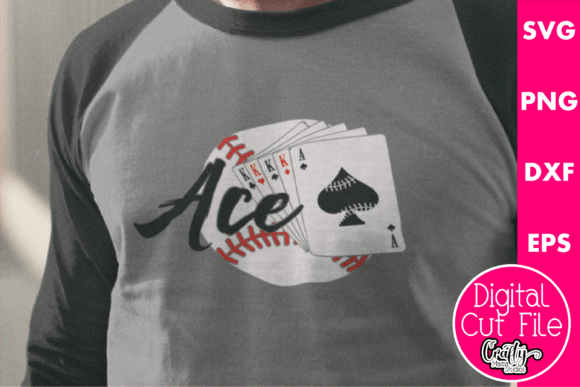
Ace Baseball Pitcher Design Review
As a designer who spends more time than I care to admit staring at stitch density charts and fabric swatches, I approach every new machine embroidery design with a healthy dose of skepticism. The market is flooded with generic clip art disguised as vector files, so finding a piece that actually translates well from screen to needle is rare. Today, I’m putting the Baseball, Ace Baseball Pitcher file through its paces. This isn’t just about whether it looks cute in a preview window; it’s about whether it holds up when you’re stitching out fifty units for an Etsy shop or creating a one-of-a-kind personalized gift for a client.
The product description highlights that this asset comes as a Graphics download, typically including SVG, EPS, DXF, and PNG formats. While these are standard vectors often used for cutting machines like Cricut or Silhouette, my focus here is strictly on how this visual concept performs when interpreted as an embroidery file. If you are looking to digitize this artwork or use it as a reference for a custom stitch pattern, understanding its structural integrity is key. Let’s dive into what makes this design tick and where it shines in real-world applications.
First Impressions: Mood and Visual Personality
When you first load the Baseball, Ace Baseball Pitcher layout onto your hoop, the immediate takeaway is its clean, confident silhouette. It doesn’t rely on cluttered backgrounds or overly complex shading to make its point. Instead, it leans into strong lines and recognizable iconography. For a designer, this is a relief. Complex gradients and tiny details are the enemies of consistent stitching, especially on fast-paced production runs.
The mood created by this design is energetic yet classic. It evokes the feeling of a weekend league game or a nostalgic sports bar poster. It feels timeless rather than trendy, which is crucial for anyone building a brand around custom apparel. Whether you are targeting young athletes, parents buying gifts for their kids, or adults who appreciate vintage sports aesthetics, the visual language speaks clearly without needing explanation. It has a personality that is friendly but focused, much like the pitcher it depicts.
Real-World Application: Where Does It Fit?
I recently had a scenario in mind while reviewing this file: preparing a batch of merchandise for a local youth baseball team’s end-of-season party. The goal was to create something that felt premium but durable enough to survive frequent washing. Here is how I see the Baseball, Ace Baseball Pitcher performing in specific contexts:
- Sweatshirt Embroidery: This is perhaps the strongest use case. The bold nature of the design stands up well against the heavy texture of fleece or cotton blends. When placed on the chest of a crewneck sweatshirt, it creates an instant sense of team pride or casual cool. The contrast between the smooth threads and the fuzzy fabric adds a tactile dimension that customers love.
- Tote Bag Design: For a craft business owner, this design works beautifully on canvas totes. However, you have to be mindful of placement. A centered chest logo on a tote can look corporate, whereas placing it slightly off-center or paired with a simple quote creates a more artisanal vibe. It serves as a great anchor for a larger composition.
- Baby Embroidery: There is a surprising versatility here. Scaled down appropriately, the "Ace" theme becomes adorable rather than aggressive. On a onesie or a burp cloth, it fits perfectly into the nursery decor trend. Parents are always looking for gender-neutral or activity-based themes that aren’t overly childish, and this strikes that balance.
- Embroidered Patch: If you are selling finished goods, turning this into a sew-on patch is a smart move. Patches allow for high-detail work because you control the backing. The clean lines of the pitcher translate well into a border, making it a collectible item for fans.
Technical Considerations and Potential Pitfalls
No design is perfect, and knowing where a file might struggle is just as important as knowing where it succeeds. When evaluating the Baseball, Ace Baseball Pitcher, there are several areas where a designer needs to exercise caution.
First, consider the hoop size. If you attempt to stitch this on a very small hoop, such as a 4x4 inch frame, you may find that the proportions feel cramped. The negative space around the pitcher needs room to breathe. If the design is too dense for the available area, the stitches will overlap awkwardly, leading to puckering or thread breaks. Always test the scale before committing to a final garment.
Fabric choice is another critical factor. While this design looks great on sturdy cottons and poly-blends, it requires careful planning if you intend to use it on stretchy fabric or thin materials like silk. Without proper stabilization, the tension of the stitch density can distort the fabric, ruining the shape of the pitcher’s arm or the ball. Similarly, textured fabrics like terry cloth or boucle can hide the finer details of the design, making it look muddy. In these cases, a lighter touch with fewer fill stitches is necessary.
We must also discuss the difference between the vector source and the actual stitched output. The provided SVG and DXF files are outlines. They do not inherently contain stitch data. To get the best result, you need to ensure that your digitizing software correctly interprets these shapes. For instance, the curved lines of the pitching motion should ideally use a combination of satin stitch for edges and fill stitch for solid areas. If the digitizer leaves too much open space, the underlay stitches might show through on light-colored threads, creating a messy background.
Styling and Presentation Tips
To maximize the appeal of this design, think about how it interacts with other elements. Pairing the Baseball, Ace Baseball Pitcher with complementary text can elevate it from a simple graphic to a branded statement. Consider using a distressed font for quotes related to teamwork or competition. This adds a layer of depth that appeals to the Etsy seller demographic, who often look for unique, layered aesthetics.
Thread color selection plays a huge role in visual appeal. Avoid low-contrast combinations, such as gray thread on white fabric, unless you are aiming for a very subtle, tonal look. High-contrast choices, like navy blue on heather gray or red on black, ensure that the details of the pitcher remain crisp and legible. This clarity builds customer trust, as it signals professionalism and attention to detail.
For those creating printable mockups for their online stores, remember that lighting matters. Show the design on different garments to help buyers visualize the final product. A finished product that looks sharp in person but blurry in photos loses sales. Use close-up shots to highlight the quality of the running stitch or the smoothness of the satin edges.
Final Verdict
The Baseball, Ace Baseball Pitcher is a solid, versatile asset for any designer’s toolkit. It avoids the common traps of over-complication and poor scalability. Whether you are creating a personalized gift for a family member or stocking shelves with small shop products, this design offers a reliable foundation. Just remember to respect the technical limits of your machine and fabric. Test on scraps, check your stabilizer, and always review your thread colors under natural light. Done right, this design has the potential to become a staple in your commercial embroidery repertoire.