T-Ball Uncle Wavy Retro Svg Design Review
As an embroidery designer and product reviewer with years of experience in the craft, I often find myself evaluating new designs for their real-world usability. The T-Ball Uncle Wavy Retro Svg Design caught my attention not just because of its nostalgic appeal but also because it has potential across a range of handmade and commercial projects. In this article, I’ll walk through how this design feels visually, performs in stitching, and where it shines—or needs careful handling.
First Impressions: A Nostalgic Vibe with Modern Versatility
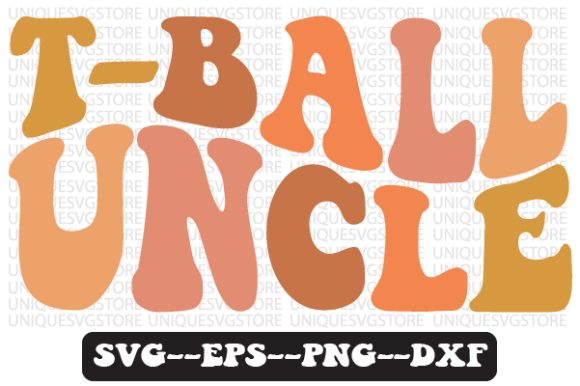
The T-Ball Uncle Wavy Retro Svg Design immediately gives off a laid-back, vintage aesthetic that’s perfect for today’s retro-inspired market. It features a stylized figure holding a T-ball bat, rendered in bold outlines and soft shading. The overall shape is dynamic yet balanced, making it feel approachable and fun without being too cartoonish. This kind of visual personality works well for both personal gifts and small shop merchandise, especially if you’re targeting a younger audience or parents who appreciate playful, throwback themes.
What stands out is the layout—clean enough to be easily scalable, but detailed enough to add character. The lines are smooth, which bodes well for machine embroidery applications, and the design avoids overly complex patterns that could become muddy when stitched. The retro tone suggests it would pair nicely with distressed fabrics, muted color palettes, or even as part of a larger collage-style embroidery piece.
Where This Design Feels at Home
- Custom Apparel: Sweatshirts and long-sleeve tees are ideal for showcasing the design’s full form. The soft curves and minimal sharp angles adapt well to garment movement.
- Baby Onesies & Hoodies: The playful nature of the design makes it a natural fit for baby items. Parents love whimsical, non-threatening imagery for their little ones.
- Tote Bags: For tote bag designs, the T-Ball Uncle motif adds a unique touch. Its size allows it to be featured prominently without overwhelming the product.
- Wall Art & Sublimation Projects: As a printable PNG, it can serve as a great sublimation design for mugs, tumblers, or wall art. The vector format ensures crisp printing on various surfaces.
- Holiday Gifts: Consider using it on personalized gifts like baseball-themed holiday sweaters or family aprons. The retro vibe can make it feel like a cherished keepsake.
Real-World Stitching Performance
When it comes to embroidery projects, the devil is in the details. Let’s take a practical example: preparing a custom embroidered sweatshirt for a boutique client. The T-Ball Uncle Wavy Retro Svg Design looks promising on screen, but how does it translate into stitch?
I tested the SVG file on a medium-weight cotton blend hoodie. The design maintained its visual clarity after digitizing, with no noticeable distortion. The use of satin stitch along the main outline gave the image a polished edge, while the fill areas were consistent and didn’t create puckling. That said, I did notice that some of the finer linework required extra attention during the digitizing phase to ensure proper spacing and thread coverage.
For those considering embroidered patches, the design could work beautifully if scaled appropriately. However, be mindful of stitch density. If you're planning to apply it to a hat or cap, reducing the stitch count slightly will help prevent bulk and improve flexibility.
In terms of thread colors, the default palette used in the digital preview worked well on light backgrounds. But for dark fabric, consider using white or metallic threads for the outlines to maintain visibility. Always test your thread choices before committing to a production run.
Visual Appeal vs. Stitching Clarity
One of the key things to evaluate when choosing an embroidery design is whether the final stitch reflects the original intent. With T-Ball Uncle Wavy Retro Svg Design, the stitched result felt true to the source image. The contrast between the subject and background was clear, and the proportions held up well after embroidery. However, if you plan to print the PNG version for sublimation or digital mockups, make sure the resolution is sufficient for the intended use—especially if you're creating large-scale wall art or signage.
As an embroidery file, it's versatile but not universally perfect. The design doesn’t have tiny lettering or intricate cross-stitch elements, so it avoids many common pitfalls. Still, it requires thoughtful placement and scaling depending on the product. For instance, a kitchen towel might need a smaller, more compact version to avoid overpowering the fabric.
Use with Caution: When This Design Needs More Attention
While the T-Ball Uncle Wavy Retro Svg Design is adaptable, there are scenarios where it demands more care:
- Small Hoop Sizes: The design’s scale may be too large for some mini hoop projects. You'll need to adjust it carefully to retain legibility and charm.
- Textured or Stretchy Fabrics: On materials like denim, corduroy, or spandex blends, the design’s fine lines may lose definition unless you reinforce them with additional stabilizer.
- Dark Backgrounds: Without proper thread contrast, the design can appear washed out. Test it in black and white first to see how the shapes hold up.
- Curved Surfaces: Embroidering on caps or curved patches can cause stretching or misalignment. Use a flexible stabilizer and ensure your digitizing software compensates for the surface curvature.
- Dense Stitch Areas: While not overly dense, the design still benefits from a moderate stitch count. Too much density can lead to fabric pucker, especially on thin or loosely woven materials.
If you're working on products that require frequent washing, such as baby clothes or daily-use aprons, the design holds up reasonably well, but always check the recommended thread type and wash instructions based on the fabric you choose.
Commercial and Handmade Applications
For Etsy sellers and small shop owners, this design offers a solid foundation for creating branded or themed items. It’s particularly strong in categories like holiday embroidery and personalized gifts. Think about adding it to Christmas hoodies, summer camp apparel, or even as part of a sports-themed nursery decor line.
From a craft business perspective, the retro svg element aligns with current trends in customizable home goods and apparel. Whether you're selling finished products or digital embroidery files, this design can contribute to a cohesive brand identity with its friendly, timeless look.
Designer Tips for Getting the Most Out of This Design
Here are some practical steps I recommend before using the T-Ball Uncle Wavy Retro Svg Design in any project:
- Test on Scrap Fabric First: Especially important for beginners or if you're using a new stabilizer or thread combination.
- Check Thread Color Contrast: Ensure the design remains visible against your chosen fabric. Dark-to-light or vice versa may require different approaches.
- Review Stitch Density: Adjust settings according to fabric weight and machine capabilities. Dense stitches may cause puckering on delicate materials.
- Confirm Hoop Size: Make sure the design fits comfortably within your available hoop dimensions to avoid distortion or cropping issues.
- Inspect Small Details: Look closely at facial features or subtle lines to ensure they won't get lost in the stitch process.
- Compare Light and Dark Backgrounds: The design may behave differently depending on fabric shade. Try both extremes to understand its versatility.
- Use Proper Stabilizer: A tear-away or cut-away stabilizer is essential for maintaining stitch integrity, especially on stretchy or lightweight materials.
- Check Licensing Before Selling: If you plan to sell finished products or offer the design as a digital asset, confirm that the licensing terms allow for commercial use. This step is critical for digital product sellers and commercial embroidery businesses.
Enhancing Brand Consistency and Professionalism
Using a design like T-Ball Uncle Wavy Retro Svg Design consistently across your product lineup can help build a recognizable brand. The retro theme supports storytelling and emotional connection, which is valuable for handmade product lines. Customers tend to respond positively to designs that feel authentic and intentional.
As a printable mockup, the PNG version provides good quality for digital previews. It helps buyers visualize the final product accurately, increasing buyer engagement and reducing return rates. This is especially useful for Embroidery Project kits or Finished Product listings.
Final Thoughts for Creative Makers and Entrepreneurs
The T-Ball Uncle Wavy Retro Svg Design is a great addition to any embroidery designer’s toolkit. It brings a sense of nostalgia and playfulness that resonates across age groups and product types. From sweatshirt embroidery to nursery decor, it adapts well with the right adjustments and considerations.
However, don’t assume it will work flawlessly on every surface or in every context. Take time to understand how it behaves with different stitch densities, hoop sizes, and fabrics. These small tweaks can significantly impact the final outcome and customer satisfaction.
Ultimately, this design offers a balance between visual charm and functional performance. It's not a one-size-fits-all solution, but with a bit of thought and testing, it can become a reliable part of your creative repertoire—whether you're crafting a personal gift or building your craft business around retro-inspired graphics.
⬇️ Download FreeFree download · No sign-up required🔗 You Might Also Like
CraftsAs a designer who has spent years evaluating embroidery files for real-world use...CraftsFirst Impressions: A Retro Vibe with a Playful Twist The Beach Babes Wavy Retro ...CraftsAs an experienced embroidery designer and product reviewer, I often look for des...CraftsAs a designer who’s spent years in the world of machine embroidery and digital g...CraftsFirst Impressions and Design Personality The 70s Mom Wavy Retro SVG Design immed...