Girls Support Quote Embroidery Review
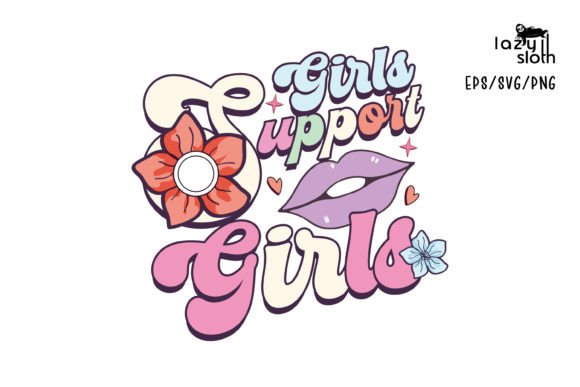
As a designer who spends more time troubleshooting stitch paths than admiring the final result, I approach every new file with a mix of curiosity and skepticism. When Girls Support Quote Sublimation Design landed on my desk, I didn’t just look at the preview image; I looked at how it would behave under the needle. The market is flooded with text-based graphics, but few translate cleanly from digital vector to physical thread. This review breaks down whether this design is worth your hoop space, your thread inventory, and ultimately, your customer’s money.
First Impressions: Mood and Visual Personality
The moment you open the file, the intent is clear. This isn’t an abstract pattern or a complex pictorial scene; it is a typographic statement designed to resonate emotionally. The mood is uplifting, resilient, and distinctly feminine without being overly delicate. In the world of handmade goods, emotional resonance drives sales. A customer buying a personalized gift for a daughter, a niece, or themselves wants to feel seen. This design captures that sentiment through its layout and choice of supporting language.
Visually, the design feels balanced. It avoids the cluttered look that often plagues quote designs where the artist tries to cram too many decorative elements into a small area. Instead, it relies on strong letterforms and perhaps some subtle graphical accents to carry the weight. For an embroidery designer, this clarity is a blessing. It means fewer tangled threads, cleaner satin stitches around letters, and a finished product that looks professional rather than amateurish. It feels like a piece meant for daily wear—a reminder stitched into fabric—rather than a novelty item that will be discarded after one holiday season.
Real-World Application: Where This Design Shines
I spent some time mentally mapping out where Girls Support Quote Sublimation Design would fit best in a production workflow. My first scenario was a boutique line of custom sweatshirts for back-to-school season. There is something deeply comforting about seeing a supportive message embroidered on the front left chest or centered across the back of a cozy fleece. Because the design originates as a high-quality graphic asset, it scales well. Whether you are embroidering a tiny logo on a cap or a large statement on a hoodie, the core visual integrity remains intact.
Another strong use case is personalization for baby items. New parents love meaningful gifts. Imagine this design embroidered on a muslin blanket, a hooded towel, or the pocket of a onesie. The "support" theme translates beautifully to themes of growth, learning, and encouragement. It fits perfectly into the nursery decor niche, which is evergreen. I also see potential in kitchen textiles. An apron or tea towel featuring this quote could serve as a wonderful housewarming gift or a bridal shower present, adding a touch of warmth to the home.
For the Etsy seller or craft fair vendor, versatility is key. This design works equally well on tote bags, pillow covers, and denim jackets. It bridges the gap between casual streetwear and thoughtful home decor. If you are building a brand around empowerment or family values, this file becomes a staple in your library. It allows you to create cohesive collections—for example, matching mother-daughter outfits or sibling sets—where the typography and style remain consistent across different products.
Technical Performance in Embroidery
When translating a sublimation-style graphic to machine embroidery, the devil is in the details. This design appears to rely heavily on clean lines and readable text, which suggests it will perform well with standard satin stitches for outlines and fill stitches for background blocks if present. However, the success of any text-based embroidery project depends on legibility. At smaller sizes, fine serifs or thin connecting lines can disappear or merge together. I recommend testing the smallest intended size on scrap fabric to ensure the quote remains readable from a distance of two feet.
The included formats—EPS, JPG, PNG, SVG—are excellent starting points for digitizing or direct printing if you are combining techniques. If you are using this as a base for a custom digitized machine embroidery design, the vector files (EPS/SVG) are invaluable. They allow you to adjust kerning, spacing, and scale precisely before committing to the digitizing process. This ensures that the final embroidery file has optimal stitch density and direction, preventing puckering and ensuring smooth machine operation.
Where to Exercise Caution
No design is perfect for every surface. While Girls Support Quote Sublimation Design is versatile, there are specific scenarios where you need to slow down and evaluate. First, consider the fabric texture. Embroidering crisp text onto a highly textured fabric, like a chunky knit or a heavy waffle weave, can obscure the details. The thread may sink into the gaps, making the quote harder to read. In these cases, a stabilizer is non-negotiable, and you might need to increase the stitch density slightly to ensure coverage.
Stretchy fabrics, such as jersey knits used for t-shirts, require careful hooping and potentially a tear-away or cut-away stabilizer depending on the garment’s stretch. Without proper support, the tension can distort the letters, causing them to warp. Similarly, curved surfaces like baseball caps or beanies demand a design that accounts for the curve. If the original graphic is flat and wide, it may need adjustment to sit naturally on a curved brim or crown.
Also, think about the end-user’s maintenance habits. If this is going on a child’s everyday play clothes, frequent washing is inevitable. Ensure that the thread colors you choose are colorfast and that the design isn’t so dense that it creates a stiff, uncomfortable patch against the skin. For baby items, softer stitches and lighter density are preferred to maintain comfort.
Designer Notes for Professional Results
To get the most out of this asset, I advise taking a methodical approach before starting production runs. Always test the design on the actual fabric you plan to sell. What looks good on a screen might look muddy on dark navy blue unless you select the right thread colors. High contrast is your friend. White or light pastel threads pop beautifully on darker backgrounds, while darker threads work best on light fabrics.
Check your stitch density. If the design feels too heavy, you might be able to reduce the number of passes in the digitizing software to save time and thread without sacrificing quality. Conversely, if details are lost, a slight increase in density might help. Inspect the corners of any boxes or shapes; they should be rounded or properly trimmed to avoid bulk.
Finally, never skip the licensing check. Even though the product description highlights the quality of the files, it is crucial to confirm whether you have commercial rights to sell finished items made from this design. As a craft business owner, protecting your intellectual property and respecting the creator’s terms is essential for long-term trust and legal safety. If you are creating digital embroidery file resales, ensure the license explicitly permits redistribution.
Final Verdict
Girls Support Quote Sublimation Design is a solid addition to any designer’s toolkit. It offers a blend of emotional appeal and practical usability that appeals to a broad audience. From custom apparel to personalized gifts, it holds up well across various mediums. By paying attention to fabric choice, stabilization, and thread selection, you can transform this digital graphic into a tangible, high-value handmade product that customers will cherish. It’s not just a design; it’s a conversation starter stitched into fabric.